
From Used Water to Clean Water: What Every Co‑op Member Should Know About Wastewater Treatment
New technologies to more effectively treat wastewater for reuse are being developed every day, and one of the most promising is now being tested in Alberta. Researchers at the University of Calgary are evaluating a compact wastewater treatment system called the FujiClean Jokaso. This technology has been widely used in Japan and is now being assessed for Canadian conditions. If successful, it could eventually serve as a replacement for septic tanks and lagoons in rural and Indigenous communities across Canada.
Understanding how wastewater is treated today for reuse, and why new solutions matter, is an important part of responsible water stewardship for co‑op members.
How We Use Water
Every day, water flows into our homes and businesses for drinking, cooking, bathing, laundry, cleaning and flushing toilets. Once that water is used, it becomes what is called wastewater. After it goes through a treatment process, the treated wastewater that is eventually released back into the environment is known as effluent water.
Not all used water is the same, and understanding the differences is important for determining treatment requirements.
Grey Water vs. Black Water
Used water generally falls into one of two categories: grey water or black water.
Grey water is the relatively mild wastewater that comes from sinks, showers, bathtubs and washing machines. It may contain soap, dirt, food particles and some bacteria, but it does not contain sewage.
Black water is the wastewater that comes from toilets and contains human waste. It carries harmful bacteria, pathogens and other contaminants that make it far more hazardous.
While these two types of water require different levels of care, in most current homes they are combined in the same plumbing and treated together as total wastewater.
What Are the Options for Treatment?
Rural and small communities traditionally rely on a few common approaches to manage wastewater.
- Septic systems come in two common forms for rural properties:
- A septic field system sends wastewater into an underground tank where solids settle and partially break down. The liquids then slowly filter through a leach field into the surrounding soil, which provides a secondary level of natural treatment.
- A septic holding tank collects all wastewater to be periodically pumped out by a vacuum truck. While these systems are effective for individual homes, they are not designed to produce water suitable for direct discharge into a stream or lake and can be costly to maintain at a community scale.
- Lagoon systems, common in many small Alberta communities, hold wastewater in large open ponds where natural processes break down contaminants over time before the water is eventually discharged. They are cost‑effective but require significant land area and can struggle in cold climates.
- Municipal‑style treatment plants use a more intensive process involving biological treatment, filtration and disinfection to produce high‑quality effluent that meets strict regulatory standards. These systems are highly effective but have traditionally been too large and expensive to be practical for small or remote communities.
A New Technology Worth Watching
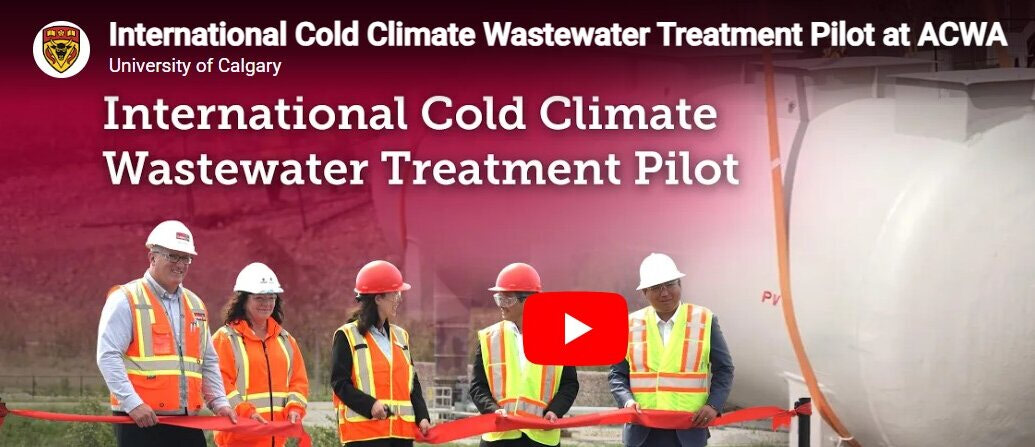
Researchers at the University of Calgary are currently testing the FujiClean Jokaso at the Advancing Canadian Water Assets (ACWA) facility with support from Alberta Innovates and Invest Alberta. The unit moves wastewater through five chambers for filtration, clarification and disinfection, using the same biological processes found in full municipal treatment systems.
The version being tested fits within a space roughly the size of a 40‑foot shipping container, while smaller versions are designed to replace standard residential septic tanks. The result is water clean enough to be safely returned to rivers and lakes.
The key aspect being tested is whether the system can hold up through Alberta's harsh winters. If successful, the technology could eventually serve as a replacement for septic tanks and lagoons in rural and Indigenous communities across Canada.
How Does This Apply to Our Members?
For members on individual septic systems, this technology is not an immediate replacement. Septic field systems and holding tanks serve individual properties, and the Jokaso units being piloted are better suited for communal or community‑wide applications. However, as the technology evolves, there could eventually be an alternative to individual septic systems.
Why This Matters to Our Members
Water co‑ops exist to deliver safe, reliable water. But the full picture of responsible water stewardship includes what happens after that water is used. As regulations around wastewater discharge continue to evolve and as communities face pressure to upgrade aging infrastructure, solutions like the Jokaso represent the kind of innovation our sector should be watching.